24/7 support
Get assistance from real gamers.


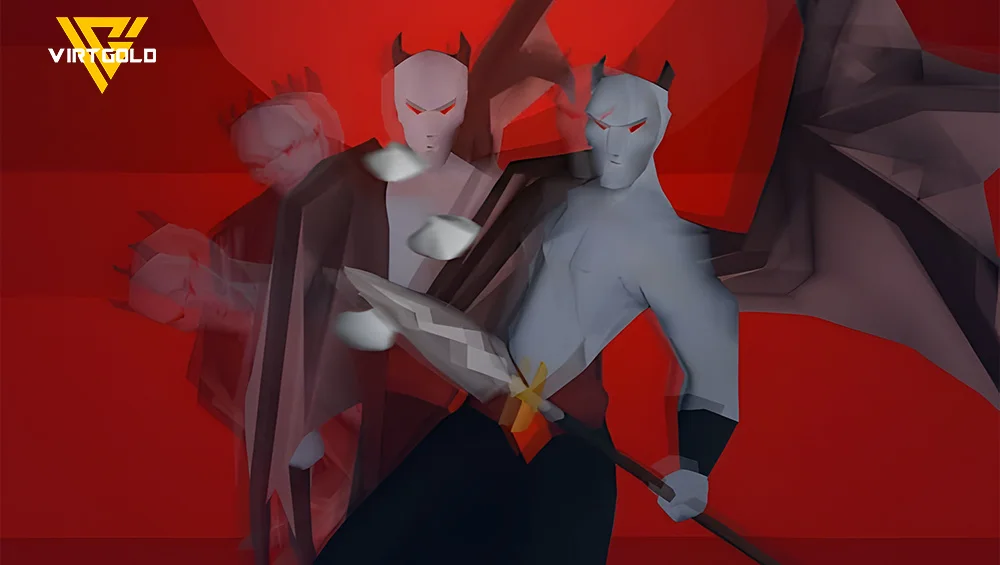
Learn the best beginner bosses in OSRS with this PvM progression guide, covering Brutus, Bryophyta, Obor, Scurrius, Deranged Archaeologist, Amoxliatl, and Barrows.
Getting into PvM in Old School RuneScape (OSRS) can feel overwhelming at first. You’re juggling Prayer switches, special attacks, positioning, food management, and different combat styles, all while trying to learn boss mechanics without much room for error.
The good news is that you don’t need to jump straight into OSRS’s hardest bosses. There’s a natural PvM progression that lets you build your skills one mechanic at a time. Some bosses are practically combat tutorials, while others gradually introduce the mechanics and habits you’ll need for harder PvM later on.


If you’ve never done PvM in Old School RuneScape, Brutus is the most straightforward place to start in this progression.
One of its biggest advantages is that it’s available in Free-to-Play, so you don’t need a membership subscription just to get your first taste of bossing.
The encounter is unlocked through a short beginner-friendly quest that starts in Lumbridge. Once you’ve completed it, you can head straight to the Lumbridge Cowfield and take on Brutus.
Brutus keeps the fight extremely simple, which makes it ideal for learning the basic bossing loop:
There’s no need to memorize a long rotation or deal with complicated mechanics right away.
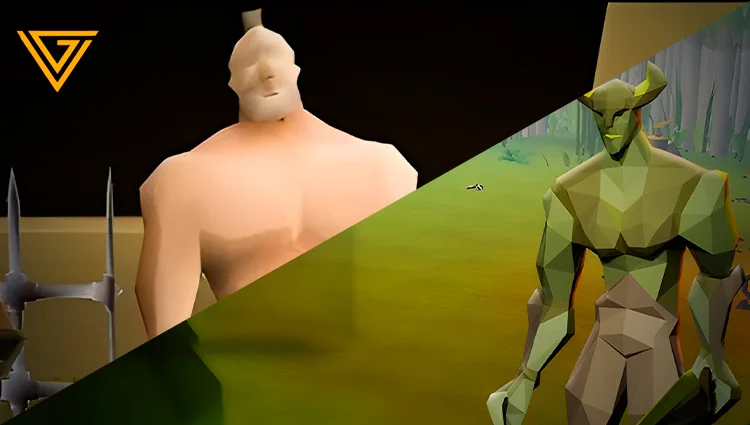
Once you’re comfortable with Brutus, Bryophyta and Obor are natural next steps.
Both encounters continue teaching the fundamentals of OSRS PvM without throwing a wall of complicated mechanics at you.
You’ll need a specific key for each boss:
These bosses are intentionally straightforward. You aren’t trying to memorize ten different mechanics at once. Instead, you’re building the fundamentals that eventually become muscle memory.
While fighting Bryophyta and Obor, pay attention to:
That might sound basic, but these habits matter later when fights become much less forgiving.
Think of Bryophyta and Obor as your first real PvM drills.
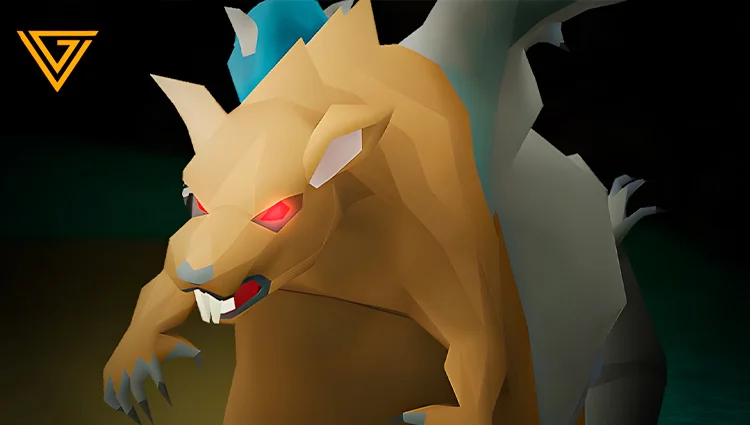
This is where the progression starts getting more interesting.
Scurrius is the first Members-only boss on this list and is aimed roughly at accounts around combat level 60–90.
You can find Scurrius in the Varrock Sewers, east of Varrock Castle.
For many players, Scurrius is one of the best bosses for actually learning the fundamentals of OSRS PvM.
The fight starts introducing mechanics that you’ll eventually encounter in much harder PvM content.
You’ll need to:
This is a major step up from simply standing in one spot and attacking.
The skills you develop here transfer directly into harder boss fights.
You’re learning to divide your attention between your Prayer, positioning, incoming mechanics, and DPS.
That’s basically the foundation of OSRS PvM.
Want to gear up to face the new Maggot King boss easily and safely? Check out our CATALOG.

The Deranged Archaeologist, located on Fossil Island, adds another layer to your PvM progression.
The fight itself remains fairly straightforward, but there’s one mechanic you absolutely need to recognize.
At certain points during the encounter, the boss announces that it can see you.
When that happens, move immediately or you risk taking a heavy hit.
At the earlier bosses, the question was mostly:
Can I maintain my Prayer and survive the fight?
With Deranged Archaeologist, the question changes:
Can I recognize a mechanic and react before I take damage?
That distinction is huge.
As you progress through OSRS PvM, bosses will constantly throw attacks, AoEs, movement checks, and other mechanics at you. Learning to identify a visual or audio cue and immediately respond is one of the most valuable skills you can develop.

The next step is Amoxliatl, which continues the PvM progression established by Scurrius.
You unlock the boss through The Heart of Darkness, and the fight introduces mechanics that start looking much more like what you’ll encounter in higher-level PvM.
Two skills matter most here.
You need to react quickly when your Prayer is disabled.
That means you can’t simply activate the correct Protection Prayer and forget about it. You have to stay alert and be ready to restore your Prayer when the mechanic forces you to react.
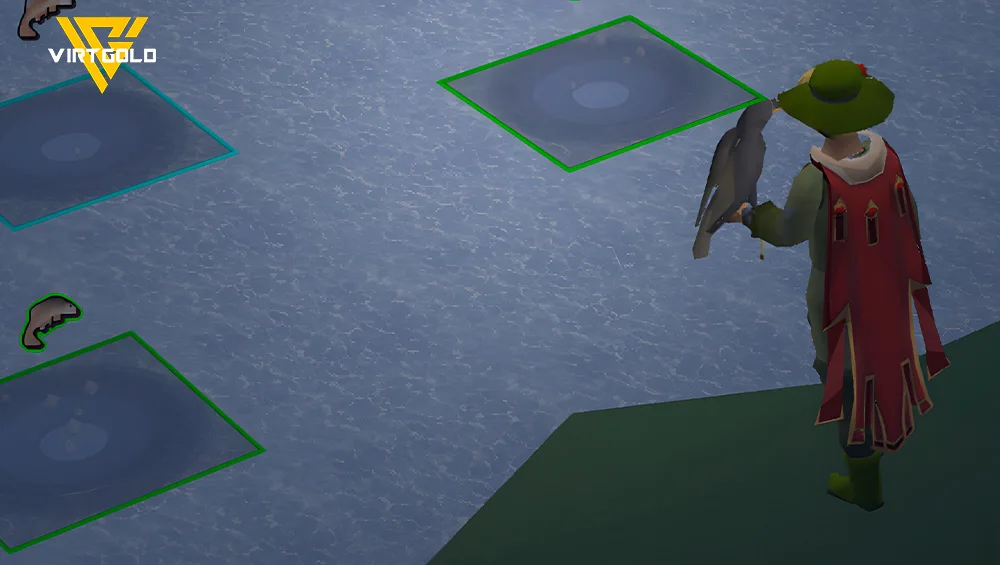
You also need to pay attention to where the ice hazards appear.
Positioning becomes increasingly important because where you stand can determine whether you safely continue dealing damage or get punished by the environment.
This fight combines two skills that become increasingly valuable in higher-level PvM:
You’re no longer just reacting to the boss itself. You’re also managing the space around you.
That’s a major shift toward the type of gameplay you’ll eventually see in harder encounters.
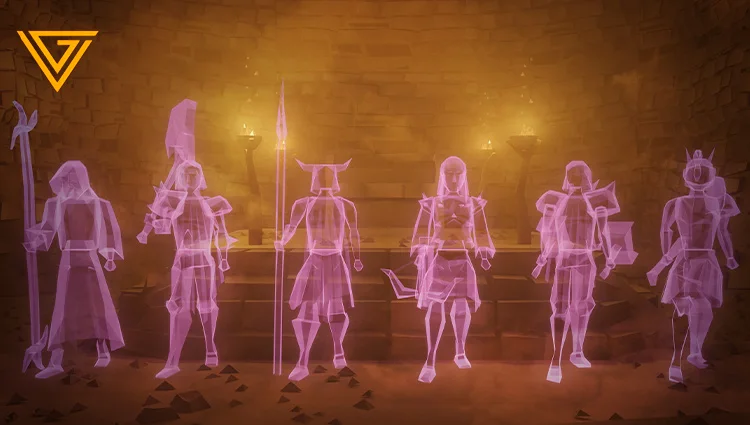
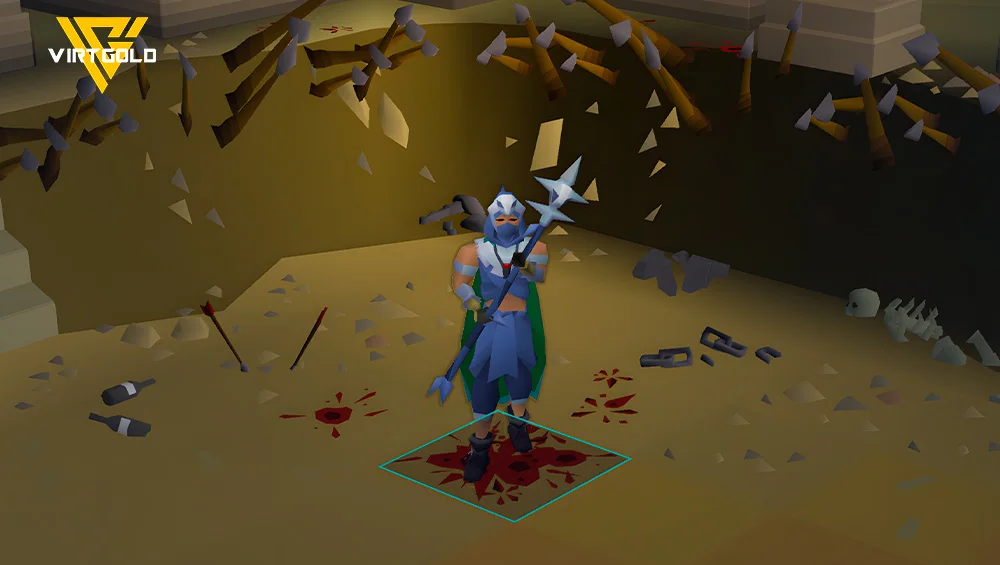
If you want a bossing activity that starts to feel like “real PvM,” Barrows is one of the best transition points.
Barrows is located in Morytania, which requires progression through Priest in Peril to access.
The activity revolves around fighting the six Barrows brothers, each with different combat styles and weaknesses.
That means you can’t simply bring one setup and mindlessly attack everything.
Barrows forces you to bring together several of the skills you’ve been building throughout this progression:
The important part is that you’re now managing several PvM fundamentals at the same time.
Earlier bosses isolate individual skills.
Barrows starts combining them.
That makes it an excellent benchmark for figuring out whether you’re ready to move toward more demanding PvM.
Once you can comfortably handle Barrows runs without constantly panicking over Prayer, gear, supplies, or positioning, you’re in a much better place to start tackling the next tier of OSRS bosses.
Get assistance from real gamers.

Join our partner network and grow with VirtGold.

sales@virtgold.com