

 5 MYSTERY GIFTS


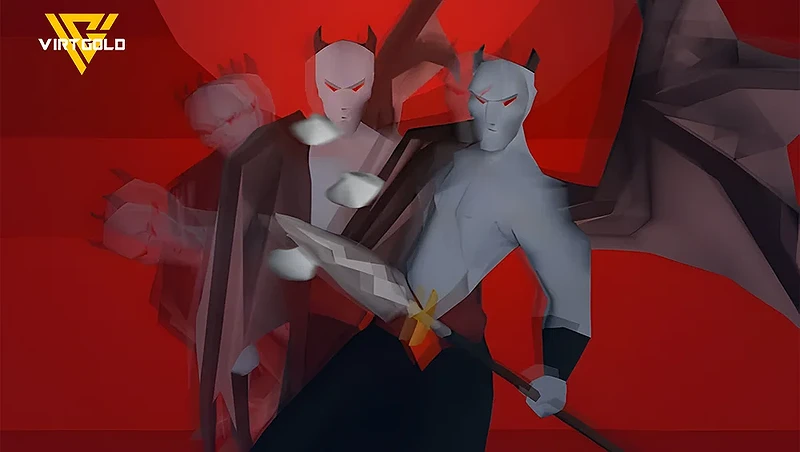
Getting into PvM in Old School RuneScape (OSRS) can feel overwhelming at first. You’re juggling Prayer switches, special attacks, positioning, food management, and different combat styles, all while trying to learn boss mechanics without much room for error.
The good news is that you don’t need to jump straight into OSRS’s hardest bosses. There’s a natural PvM progression that lets you build your skills one mechanic at a time. Some bosses are practically combat tutorials, while others gradually introduce the mechanics and habits you’ll need for harder PvM later on.
You may be interested our Guide:
- How to Buy OSRS Gold Safely Without Getting Banned
- OSRS - Bond Guide 2025
- RuneLite Desktop Will Stop Working in 2026
- Training Sailing 30 to 55 FAST!
- New Leechfin Fishing Method in OSRS (2026)

1. Brutus

If you’ve never done PvM in Old School RuneScape, Brutus is the most straightforward place to start in this progression.
One of its biggest advantages is that it’s available in Free-to-Play, so you don’t need a membership subscription just to get your first taste of bossing.
The encounter is unlocked through a short beginner-friendly quest that starts in Lumbridge. Once you’ve completed it, you can head straight to the Lumbridge Cowfield and take on Brutus.
Why Brutus Is Good for New PvM Players
Brutus keeps the fight extremely simple, which makes it ideal for learning the basic bossing loop:
- Enter the encounter
- Attack the boss
- Keep an eye on your HP
- Manage your Prayer
- Learn to stay composed during combat
There’s no need to memorize a long rotation or deal with complicated mechanics right away.
2. Bryophyta & Obor
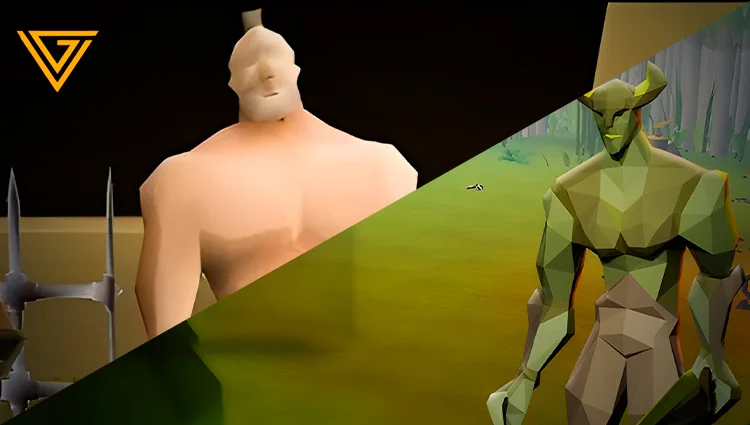
Once you’re comfortable with Brutus, Bryophyta and Obor are natural next steps.
Both encounters continue teaching the fundamentals of OSRS PvM without throwing a wall of complicated mechanics at you.
How to Access Bryophyta and Obor
You’ll need a specific key for each boss:
- Bryophyta: Mossy Key
- Obor: Giant Key
These bosses are intentionally straightforward. You aren’t trying to memorize ten different mechanics at once. Instead, you’re building the fundamentals that eventually become muscle memory.
What You Should Focus On
While fighting Bryophyta and Obor, pay attention to:
- Prayer management
- HP management
- Recognizing incoming damage
- Staying focused throughout the encounter
- Learning how to safely finish a kill
That might sound basic, but these habits matter later when fights become much less forgiving.
Think of Bryophyta and Obor as your first real PvM drills.
3. Scurrius
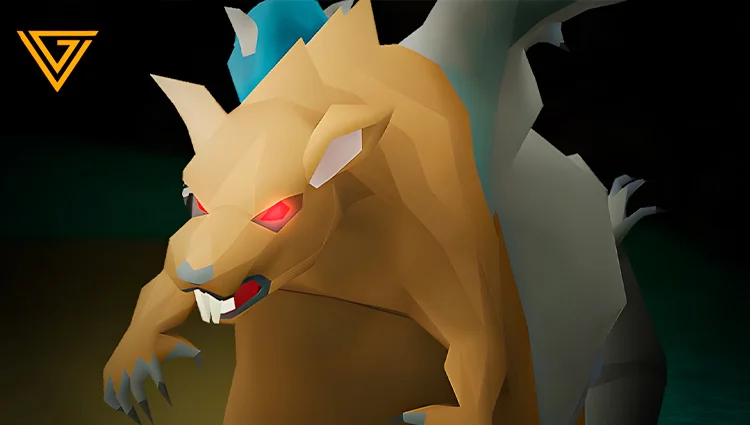
This is where the progression starts getting more interesting.
Scurrius is the first Members-only boss on this list and is aimed roughly at accounts around combat level 60–90.
You can find Scurrius in the Varrock Sewers, east of Varrock Castle.
For many players, Scurrius is one of the best bosses for actually learning the fundamentals of OSRS PvM.
What Does Scurrius Teach You?
The fight starts introducing mechanics that you’ll eventually encounter in much harder PvM content.
You’ll need to:
- Switch between Protection Prayers
- React to different attack styles
- Keep moving throughout the encounter
- Deal with waves of mobs
- Maintain DPS while watching what’s happening around you
This is a major step up from simply standing in one spot and attacking.
Why Scurrius Matters for PvM Progression
The skills you develop here transfer directly into harder boss fights.
You’re learning to divide your attention between your Prayer, positioning, incoming mechanics, and DPS.
That’s basically the foundation of OSRS PvM.
Want to gear up to face the new Maggot King boss easily and safely? Check out our CATALOG.
4. Deranged Archaeologist
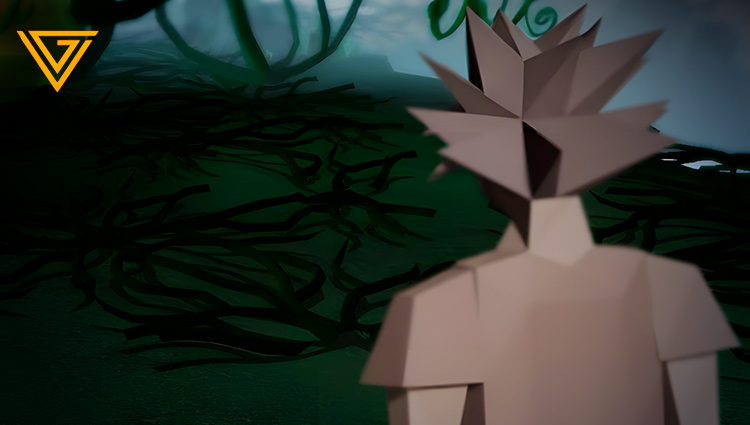
The Deranged Archaeologist, located on Fossil Island, adds another layer to your PvM progression.
The fight itself remains fairly straightforward, but there’s one mechanic you absolutely need to recognize.
At certain points during the encounter, the boss announces that it can see you.
When that happens, move immediately or you risk taking a heavy hit.
The Skill You’re Learning Here
At the earlier bosses, the question was mostly:
Can I maintain my Prayer and survive the fight?
With Deranged Archaeologist, the question changes:
Can I recognize a mechanic and react before I take damage?
That distinction is huge.
As you progress through OSRS PvM, bosses will constantly throw attacks, AoEs, movement checks, and other mechanics at you. Learning to identify a visual or audio cue and immediately respond is one of the most valuable skills you can develop.
What to Practice
- Watch for the boss's warning
- React immediately instead of hesitating
- Prioritize avoiding damage over greedily squeezing in another hit
- Return to attacking once the mechanic is handled
5. Amoxliatl

The next step is Amoxliatl, which continues the PvM progression established by Scurrius.
You unlock the boss through The Heart of Darkness, and the fight introduces mechanics that start looking much more like what you’ll encounter in higher-level PvM.
Two skills matter most here.
Prayer Reaction
You need to react quickly when your Prayer is disabled.
That means you can’t simply activate the correct Protection Prayer and forget about it. You have to stay alert and be ready to restore your Prayer when the mechanic forces you to react.
Ground Hazard Control
You also need to pay attention to where the ice hazards appear.
Positioning becomes increasingly important because where you stand can determine whether you safely continue dealing damage or get punished by the environment.
Why Amoxliatl Is an Important Step
This fight combines two skills that become increasingly valuable in higher-level PvM:
- Fast reactions
- Intentional positioning
You’re no longer just reacting to the boss itself. You’re also managing the space around you.
That’s a major shift toward the type of gameplay you’ll eventually see in harder encounters.
6. Barrows Brothers
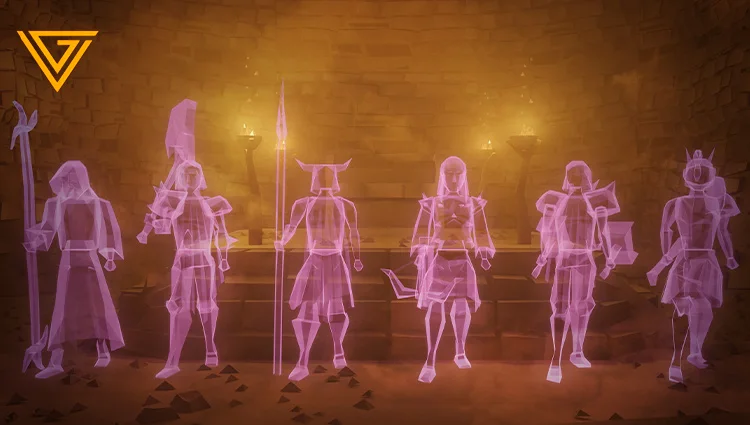
If you want a bossing activity that starts to feel like “real PvM,” Barrows is one of the best transition points.
Barrows is located in Morytania, which requires progression through Priest in Peril to access.
The activity revolves around fighting the six Barrows brothers, each with different combat styles and weaknesses.
That means you can’t simply bring one setup and mindlessly attack everything.
What Barrows Teaches You
Barrows forces you to bring together several of the skills you’ve been building throughout this progression:
- Choose appropriate gear
- Switch Prayers for different brothers
- Adapt your combat style
- Manage your supplies
- Stay composed across multiple encounters
- Execute the run correctly before going for the final chest
The important part is that you’re now managing several PvM fundamentals at the same time.
Why Barrows Is Such a Good Beginner PvM Goal
Earlier bosses isolate individual skills.
Barrows starts combining them.
That makes it an excellent benchmark for figuring out whether you’re ready to move toward more demanding PvM.
Once you can comfortably handle Barrows runs without constantly panicking over Prayer, gear, supplies, or positioning, you’re in a much better place to start tackling the next tier of OSRS bosses.




 Arc Raiders
 Grow a Garden 2
 Steal a Brainrot
 Ea Fc 26
 OldSchool Runescape
 VV Ultimatum
 Minecraft Donut SMP
 Plants vs Brainrots
 Grow a Garden
 WarDogs
 RBL Rivals
 Sailor Piece
 Garden Tower Defense
 Animal Crossing: New Horizon
 Blade Ball
 Blox Fruits
 Attack on Titan Revolution
 Adopt Me
 Kick a Lucky Block
 Escape Tsunami for Brainrots
 Flyff Universe
 Type://Soul
 Dungeon Hunters
 Dress To Impress
 Marathon
 WoW Midnight
 RBL
RBL
 Murder Mystery 2
 Albion Online
 Toilet Tower Defense
 Jailbreak
 Pet Simulator 99
 WoW Mist Of Pandaria
 World of Warcraft Classic Era
 World Of Warcraft Classic Anniversary
 Minecraft
 New World
 Dofus
Dofus
 Lost Ark
 Dark and Darker
 Swtor
Swtor
 Diablo 4
 Maplestory
 Final Fantasy XIV
 Runescape 3
 Path Of Exile
 Blade And Soul Neo
 Path Of Exile 2
 Path of Exile 2: Runes of Aldur
 Star Citizen
 Elder Scrolls Online Gold
 Guild Wars 2
 Bubble Gum Simulator INFINITY Pets
 Anime Vanguards
 99 Nights in the Forest
 Fisch
Fisch
 Tower Defense Simulator
 Build a Zoo
 Dead Rails
 Blue Lock: Rivals
 Arise Crossover
 Eve Online
 Growtopia
 Fish It!
 Anime Eternal
 Pets Go!
 Anime Reborn
 Anime Defenders
 INK Game
 Hypershot
 All Star Tower Defense X
 Raise Animals
 Hunty Zombie
 Gym Star Simulator
 War Tycoon
 Grand Piece Online
 Volleyball Legends
 Basketball Zero
 Welcome to Bloxburg
 Anime Card Clash
 The Forge
 Brokheaven RP
 Da Hood
 Anime Fighting Simulator: Endless
 Ashes of Creation
 Tap Simulator
 Devil Hunter
 Baddies
 Jujutsu Infinite
 Break a Lucky Block
 Horse Race
 Chop Your Tree
 Creatures Of Sonaria
 Garden Horizons
 Survive Lava For Brainrots
 Bridger Western
 A Universal Time
 Abyss
Abyss
 Anime Warriors 3
 Delta Force
 Mini War
 Blox Strike
 Wizard Alchemy
 Sniper Arena
 Drag Drive Simulator
 Shindo Life
 Death Ball
 American Plains Mudding
 AION 2
 WoW Forever